
Sectional doors are the most widely used door type in factories, warehouses, logistics centres and garages. Because the panels open vertically towards the ceiling, they take up no space in front of or behind the opening, insulate well and run reliably for many years. Choosing the right door, however, takes more than giving a width and height. In this guide we cover the 7 key criteria to check when buying a sectional door, plus the most common mistakes.
1. Door size, headroom and side room
Besides the opening size, the headroom (distance between the top of the opening and the ceiling) and the side room determine how the door can be installed. Where headroom is limited, a low-headroom track system is used; where the ceiling has obstructions, vertical or high-lift tracks are preferred. Measuring these on site during the survey avoids extra costs later.
2. Panel thickness and insulation
The polyurethane core inside the panels sets the thermal and acoustic insulation. 40 mm panels are common for industrial use; for cold stores and other areas where energy loss is critical, thicker panels and extra seals are considered. An insulated door has a direct effect on heating and cooling costs.
3. Frequency of use and choice of operator
A garage door opened a few times a day and a door in a multi-shift logistics warehouse should not use the same motor. For heavy use, industrial operators with a high cycle rating are needed; for light use, shaft or ceiling-mounted operators are enough. A manual release (chain or handle) for power cuts is essential.
4. Safety equipment
- Photocell: stops the door closing when an obstacle is detected.
- Safety edge: reverses the door on contact.
- Spring break device: prevents the door falling if a spring breaks.
- Cable break device: locks the panel in place if a cable snaps.
These devices should be standard, both for staff safety and to protect vehicles and goods.
5. Visibility and daylight
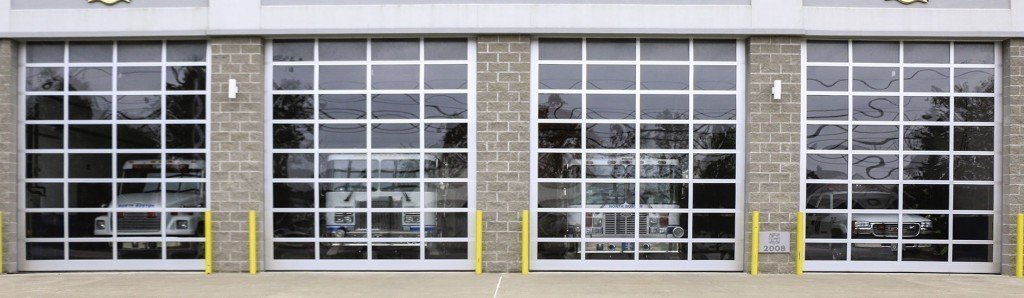
For showrooms, service stations or any area that needs daylight, full vision sectional doors or window sections in the panels are an option, keeping the interior bright even with the door closed.
6. Wicket (pedestrian) door
Where staff walk in and out frequently, opening the large door every time wastes energy and wears the motor. An integrated wicket door in the panel, or a separate side door, is a practical solution.
7. Installation, service and maintenance
Installation quality is one of the biggest factors in door life. Springs must be calculated for the door weight and tracks installed level. After-sales support and regular maintenance (at least once a year: spring tension, bearings and safety checks) keep the door working safely for years.
Common mistakes
- Comparing on price only, without checking panel thickness and equipment
- Ordering without measuring headroom and side room
- Choosing an operator not rated for heavy use
- Having no maintenance plan
Let us help you choose the right sectional door for your project. Contact us for a free survey and quote.
Get a QuoteFor product details, see our sectional door and industrial sectional door pages.
Frequently Asked Questions
How much headroom does a sectional door need?
Standard track systems need a certain headroom; where it is limited, a low-headroom track is used. The exact figure depends on the door height and operator type and is confirmed during the survey.
How do you open a sectional door during a power cut?
Motorised sectional doors have a manual release handle or chain operation, so the door can be opened by hand during a power cut.
How often should a sectional door be serviced?
At least once a year for normal use, and every 6 months for heavily used industrial doors.
Can a wicket door be added to a sectional door?
Yes. A wicket door can be integrated into the door panels, or a separate side door can be installed next to it.